
Advocacy & Litigation
The path to justice requires that we challenge federal, state, and local laws, statutes, and policies to ensure equal protection.
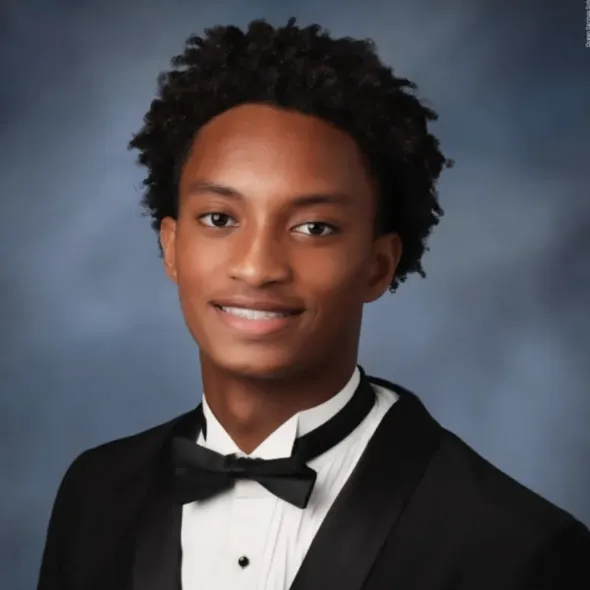
NAACP OGC Joins Nolan Wells' Family Legal Team
The NAACP Office of General Counsel (OGC) has joined the legal team surrounding the death of Nolan Wells, a young Black man who died under circumstances that remain insufficiently explained.
As part of its role, the NAACP's Office of General Counsel will work alongside the Wells legal team, which includes civil rights attorney Ben Crump, to press for comprehensive fact-finding, advocate for transparency from relevant authorities, and support efforts to ensure that Nolan's family receives the information and accountability they are due.
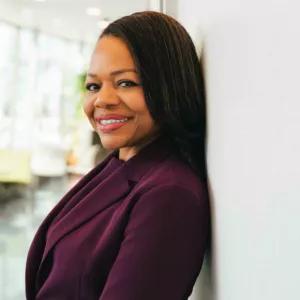
Drawing on the Association's long history of pushing for full and fair investigations when Black lives are lost under suspicious circumstances, we will bring additional investigative and legal resources to bear and ensure that no stone is left unturned in the quest for truth and accountability for Nolan's family.
- Kristen Clarke, NAACP General CounselCURRENT LITIGATION
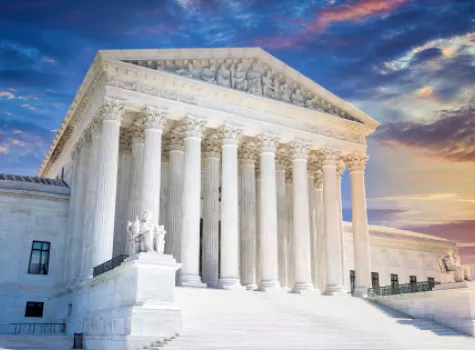
Court Preserves DeSoto County’s Majority-Black Judicial Subdistrict
Robert Foster et al. v. The State of Mississippi, et al. (U.S. District Court for the Northern District of Mississippi): The NAACP DeSoto County Branch is an Intervenor in this litigation to defend an unlawful, racially motivated, majority-minority subdistrict in DeSoto County, Mississippi. A federal court denied an effort to block DeSoto County's
majority-Black judicial subdistrict from being used in the November election, preserving Black voters' meaningful opportunity to elect candidates of their choice.
Virginia Victory against Confederate School Names
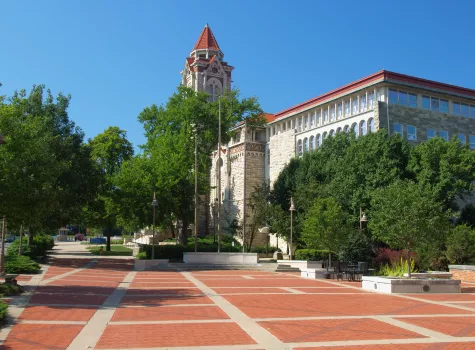
Virginia State Conference NAACP et al., v. County School Board of Shenandoah County (U.S. District Court for the Western District of Virginia): The NAACP Virginia State Conference is a Plaintiff in this matter challenging the Shenandoah County's School Board decision to reinstate the names of Confederate generals to schools. On August 6, 2026, the Court ruled that the School County Board found that the Shenandoah County School Board discriminated against Black students by reinstating school names that honor Confederate generals.
Fair Representation in Jury Panel Selection
Kian v. State of Florida (U.S. Supreme Court): The National NAACP is co-amici in this matter currently pending before the United States Supreme
Court in support of the petitioner. The case presents the important constitutional question of whether the petitioner was deprived of his Sixth and Fourteenth Amendment rights to a trial by a 12-person jury when charged with a serious felony. The State of Florida charged Mr. Kian with five counts of practicing chiropractic medicine while his license was suspended, offenses classified as serious felonies under Florida law.
Advocacy in Action: Protecting Our Elections

MAKING LAWS WORK FOR US
A thoughtful look at American history reveals that the nation's laws were never meant to serve Black Americans. But we strive to make the laws work for us through litigation at the national and local levels.
Through affirmative litigation, we aim to further our mission to ensure equitable treatment and opportunities when it comes to voting rights, education, economic empowerment, criminal justice, and health, including environmental justice. We initiate lawsuits and join as plaintiffs in state and federal cases.
We have, and will continue to, file cases that fight:
Unjust federal, state local statutes regulations
Discriminatory policies, practices procedures
Unlawful misconduct by public officers, private individuals, and companies that threaten civil rights
We don't do this work alone. We may partner with other civil rights organizations, law firms, and law schools to secure the resources necessary to assess and prosecute cases.
Recent Filings
We're using the court system to fight efforts to disenfranchise Black voters, hold public officials accountable, and ensure civil rights. Read more about current cases.
Voting Rights Victory
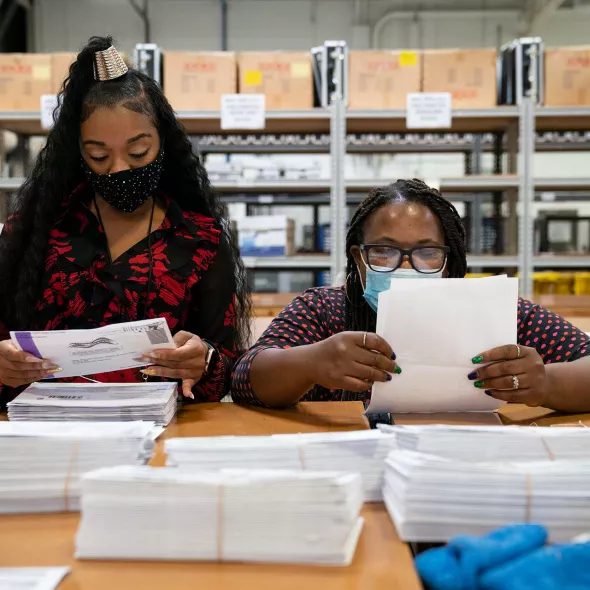
The Indiana NAACP, along with the League of Women Voters of Indiana, challenged Acts 442 and 334 in court and won protection for the state's voters. The two voter purge laws aimed to allow Indiana election officials to cancel voter registrations without communication or compliance with the National Voter Registration Act (NVRA) process.
The U.S. Court of Appeals for the Seventh Circuit ruled that Acts 442 and 334 violate the NVRA, which prohibits states from removing voters unless voters opted for removal or by going through the established process of the NVRA.
The coalition filed a suit in YEAR to stop Act 442, which allowed election officials to obtain data from a third-party database to determine voter eligibility in Indiana without notice to the voter. Similarly, Act 334 aimed to use the Indiana Data Enhancement Association (IDEA) to identify duplicate voter registrations and allow election officials to remove a voter from Indiana's voter rolls without proper notification or consent.
Join the Fight
You are critical to the hard, complex work of ending racial inequality.
Become a MemberMake an Impact
Donate today to help power the legal fight against structural racism and inequality.
Donate Now