

Black Youth, Eco-Anxiety, and How We Cope in the Face of Climate Crisis
By Zachary Mattis
Black Youth and An Uncertain Future
Black youth have inherited a rather precarious future, a future that is rife with uncertainty around employment, good health, and a pathway to a decent life.
Climate change is putting more pressure on the mental health of the communities most impacted by it. As one of the most pressing issues of the day, the climate crisis makes Black youth reminisce about a past that has faded away, grimace at the harsh reality of the present, and, worst of all, lose the ability to visualize a future that isn't dystopian.
Black youth with eco-anxiety are concerned about future climate disasters because many of them have already witnessed environmental disasters such as Hurricane Katrina. Researchers from the American Public Health Association documented how displacement from climate-related disasters can cause harmful mental health issues in Black and non-white youth. Many of these students exhibited behaviors such as "prolonged sadness, extreme nervousness, withdrawal, emotional outbursts, and preoccupation with the storm's impact on their relatives, homes, or their former schools," which further demonstrates eco-anxiety's harmful influence on Black youth's mental health. Many students also never received counseling to assist them with their mental health issues.
Climate Change and Its Impact on Black Communities
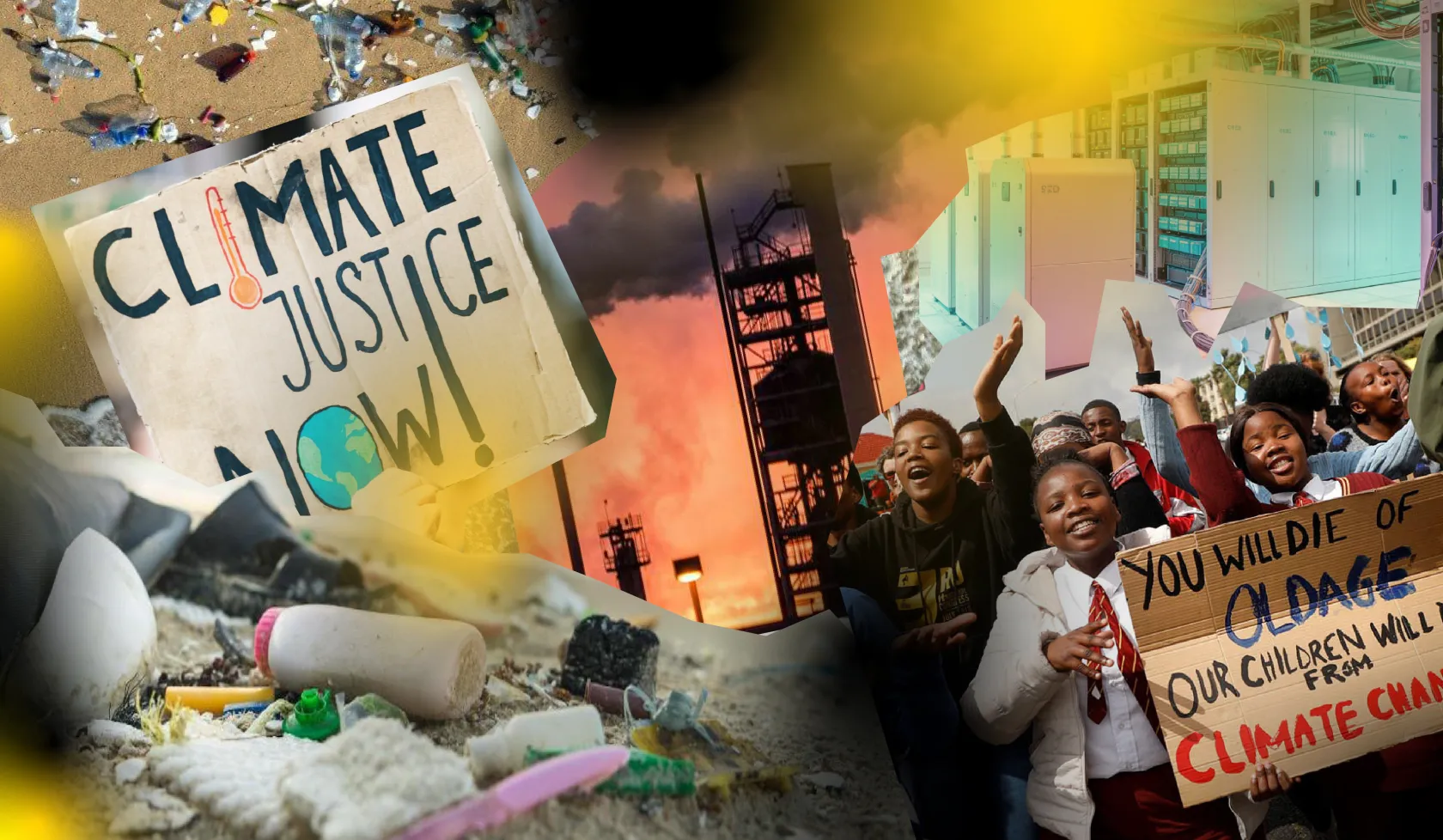
For Black youth across the country, worsening environmental disasters are taking a growing toll on their mental health, especially when they don't trust the government to respond effectively or create strong climate policy. In my view, concerns about toxic air pollution and rising sea levels can turn into frustration when these issues go unresolved, often pushing youth toward climate justice activism.
We see that government and corporate decisions made in the name of national interests and profit too often come at the expense of Black lives. The lack of consideration of Black communities' input on AI data center construction causes environmental damage, higher cost of living, and exhausts resources that Black communities need. However, the NAACP has pursued numerous efforts to push Big Tech companies to be more accountable. One of these efforts is the Stop Dirty Data Centers campaign, designed to help Black communities fight back against the negative impacts AI data centers can have when they're not built with our community's input. This campaign includes a series of recommendations to protect communities bearing the burdens of AI data center expansion, along with examples of real wins that have helped protect those communities.
Coping With Eco-Anxiety: Systemic, Individual, and Community-Level Solutions
Eco-anxiety can be addressed at the individual, systemic, and community levels. Systemically, health professionals at Climate for Health recommend involving school social workers and local mental health practitioners in fostering a sense of belonging that can help ease young people's climate anxiety. Individually, child and adolescent mental health experts have found that positive social media "selfie" videos can foster hope and encourage youth engagement in climate activism. At the community level, researchers suggest that collective action to address climate change may be even more effective than individual action in reducing climate anxiety.
Ultimately, Black youth must understand that no one person can reduce the impacts of climate change alone. Addressing the climate crisis requires strategic, science-based approaches to building a movement that can deliver effective climate policies. When Black youth invest their skills, perspectives, and time in building social movements, they can transform anxiety about others deciding their future into a commitment to shaping the future they want to see.
Zachary is a graduate of Temple University with a degree in Political Science. He is currently a youth member of the Philadelphia Branch NAACP.