

2025 in Black: 6 Defining Moments For the Culture
Every year has its highlights, but 2025? It felt like a cultural megaphone aimed straight at the world, reminding everyone that Black creativity, leadership, and innovation remain at the center of American life.
From record-setting election wins in November to a historic museum reopening and a Super Bowl performance that had people saying, "The revolution is really being televised right now," Black culture took center stage. And in a year packed with breakthrough moments across art, sports, politics, and community, each victory felt like another page being added to the story of who we are and what we continue to build.
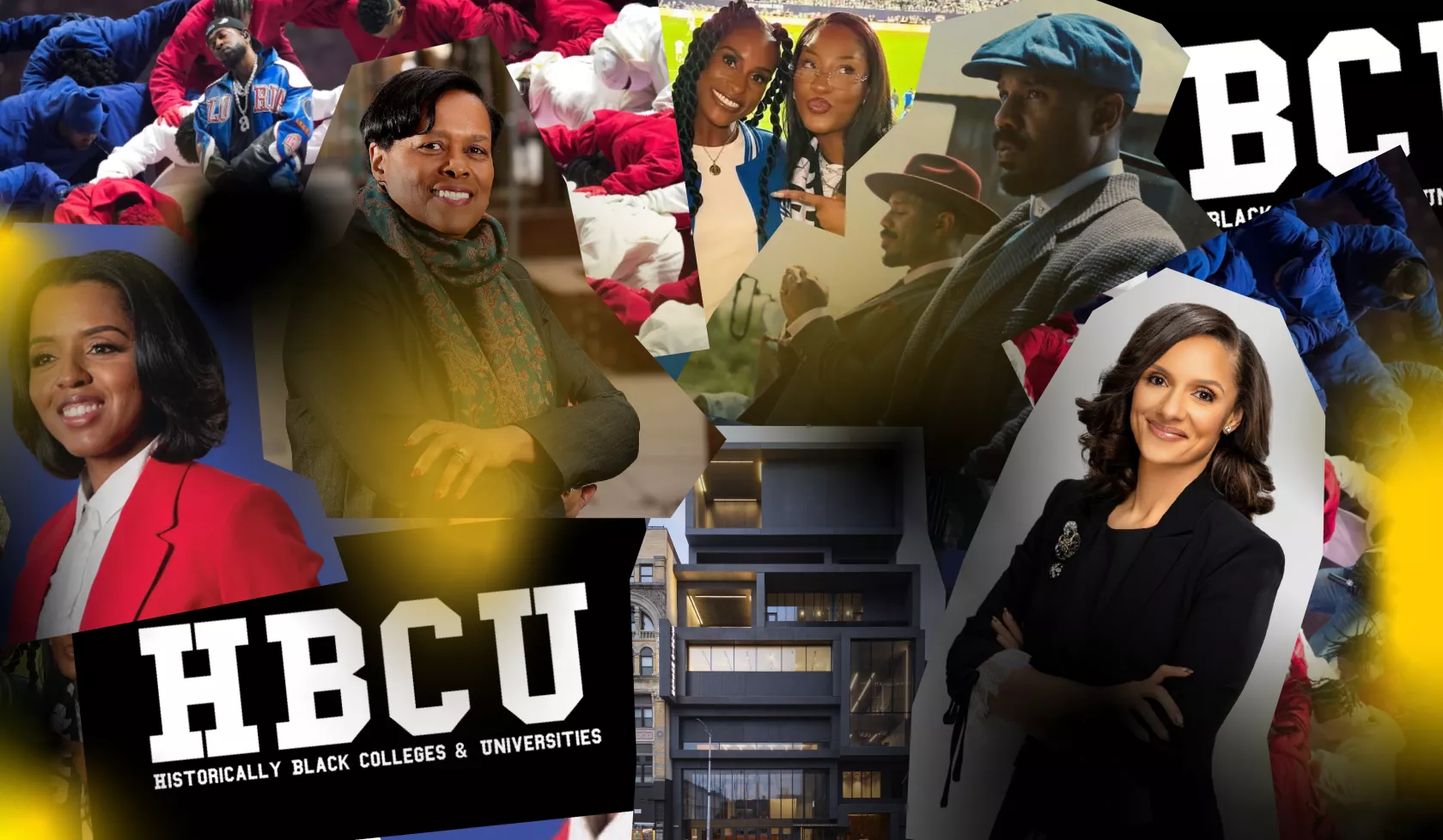
This year was a collage of triumphs across generations, and through it all, Black joy, Black innovation, and Black pride stood on full display. So yes, 2025 had its challenges, but it also had culture-defining wins that made it impossible not to feel inspired.
Kendrick Lamar, Ledisi, and a Super Bowl Sunday That Belonged to Us
Super Bowl LIX not only gave America a new football champion in the Philadelphia Eagles, but also one of the most culturally charged halftime moments in recent memory. When Kendrick Lamar took the stage, he came to make a statement. The entire performance unfolded like a visual thesis on resistance, identity, and legacy. Kendrick turned one of the world's biggest entertainment platforms into a space rooted in Black expression, using choreography, costume design, and lyrical precision to remind the world that hip-hop shapes American culture. Social media exploded instantly, not out of shock, but out of recognition. Kendrick didn't tone anything down, filter his message, or bend the performance toward mass-market comfort. He simply stood in his truth and invited the world to watch.
Before Kendrick's moment, Ledisi opened the event with a soul-stirring performance of "Lift Every Voice and Sing," delivering the classic with a grace and control that made even people unfamiliar with the song sit up straighter. Her voice carried history, reverence, and emotion — all with that distinct Ledisi warmth that feels like a hug and a history lesson at the same time. The performance mattered because it brought the Black National Anthem into one of America's most visible spaces, giving it the respect and scale it deserves.
The Reopening of the Studio Museum in Harlem
The reopening of the Studio Museum in Harlem felt like a homecoming for art lovers and for the culture as a whole. For decades, the museum has been a cornerstone of Black artistic expression, elevating painters, photographers, sculptors, and storytellers who often went ignored by mainstream institutions. The new building, modern and sleek but grounded in the spirit of Harlem, represents a rebirth of sorts. It's a physical space where Black imagination can stretch across walls, halls, and entire galleries without limitation. In visiting the museum, visitors can step into a timeline of Black creativity, from the Harlem Renaissance to the visionaries reshaping the future.
We often talk about Black art as if it's something fragile or temporary, but the Studio Museum stands as a reminder that our artistic legacy is both enduring and evolving. Young artists now have a world-class institution that celebrates their work instead of waiting for it to be accepted elsewhere.
Ryan Coogler's "Sinners"
Leave it to Ryan Coogler to create a movie that had everyone debating, analyzing, and whispering, "Did you watch 'Sinners?'" for months after its release. "Sinners" was an experience. Coogler returned to the screen with a story that blended suspense, emotion, and humor in a way that made viewers sit with their thoughts long after the credits rolled. It's the kind of movie that people watched once for the plot, twice for symbolism, and a third time just to make sure they didn't miss anything the first two times. And clearly, the industry noticed.
This month, "Sinners" received seven Golden Globe nominations, including Best Picture (Drama), Best Director, Best Actor (Drama), Best Screenplay, Best Score, Best Song, and Cinematic & Box Office Achievement. That lineup alone proves it struck a chord in a Hollywood landscape that often pretends it doesn't know what to do with Black-led movies unless they fall into very specific categories. Coogler didn't play by those rules, and the result was a film embraced by critics, moviegoers, and award committees alike.
The impact of "Sinners" went far beyond the box-office buzz or the awards chatter. It reminded the world that Black filmmakers continue to expand the range of what storytelling can look like. Coogler has always had a way of blending the personal with the political, and this project continued that legacy. It resonated deeply with audiences who are tired of seeing trauma without context or identity without depth. His work this year demonstrated that Black stories don't have to be sanitized or simplified — they can be layered, intense, funny, uncomfortable, and thought-provoking, and still be embraced on the global stage.
2025 had its challenges, but it also had culture-defining wins that made it impossible not to feel inspired.
Victories Across the Ballot: A New Wave of Black Political Leadership
Across the country, Black leaders stepped boldly into roles that had never been held by African Americans.
In New York, Sharon Owens became the first Black mayor of Syracuse, breaking a nearly 180-year history of non-Black leadership. With her deep experience in public service, her victory was welcomed by a city ready for new approaches to public safety, education, and equity. Detroit experienced its own groundbreaking moment when Mary Sheffield became the city's first Black woman mayor. In a city with one of the strongest and most influential Black histories in America, her election marked the beginning of a new chapter driven by inclusion, rebuilding, and unapologetic pride. And in Albany, Dorcey Applyrs' election as the city's first Black mayor pushed representation forward in the state capital, where leadership has long lacked diversity.
These victories showed that Black leadership isn't limited to activism, age, or community work; it belongs in city halls, budget meetings, and decision-making rooms where the future is shaped. Watching these candidates not only run but win sent a message to young Black kids everywhere: political power is not a dream you have to wait to achieve. It's accessible, attainable, and already being practiced by people who look like them.
Issa Rae & Tems Step into Sports Ownership
In a move that felt equal parts unexpected and absolutely perfect, Issa Rae and Tems entered the world of professional sports ownership by becoming club partners of the Major League Soccer team, San Diego FC. For years, Black athletes have dominated the field, but ownership — those top-level boardroom seats — remained mostly untouched. Issa Rae, with her track record of building cultural empires from scratch, and Tems, a global music star, brought fresh energy to the sport.
This ownership shift matters because it breaks through a barrier many people never imagined crossing. Seeing two Black women enter the space as partners in long-term innovation and investment showed that ownership isn't reserved for one demographic. Beyond the financial investment, Issa Rae and Tems bring cultural understanding and creativity that can expand the MLS fanbase in ways the league has never seen before.
Representation isn't just about being seen; it's about having influence where decisions are made.
A Record Donation to HBCUs and a Renewed Call for Investment
One of the most uplifting moments of 2025 was philanthropist MacKenzie Scott's donation of over $700 million to HBCUs nationwide.
For decades — centuries, really — HBCUs have played an essential role in shaping Black leaders, scholars, and innovators, often doing so with limited funding. This year's investment not only strengthened endowments but reinvigorated conversations around the importance of supporting these institutions consistently, not just during crises or anniversaries. For HBCUs, endowments don't just mean nicer buildings — they mean scholarships, research opportunities, faculty development, and long-term stability.
The donation also sparked a broader movement encouraging philanthropists, corporations, and alumni to step up. HBCUs not only preserve Black history but shape Black futures. They produce doctors, journalists, engineers, teachers, judges, and artists who go on to transform society. The renewed focus on funding finally gave these institutions the respect and resources they've earned many times over. And for students walking those campuses today, this investment signaled something deeply important: the world sees their value, and it's willing to bet on their potential.
A Year That Strengthened the Culture
If there's one thing this year taught us, it's that Black culture doesn't wait for permission to lead. It speaks, it builds, it breaks barriers, and it invites the world to follow its rhythm.
Jayden Broughton is a senior at South Aiken High School, a community leader, and a youth advocate dedicated to inspiring change through service and leadership. He serves as president of the Aiken NAACP Youth Council and Vice President of the SuccessTeam Youth Council.