

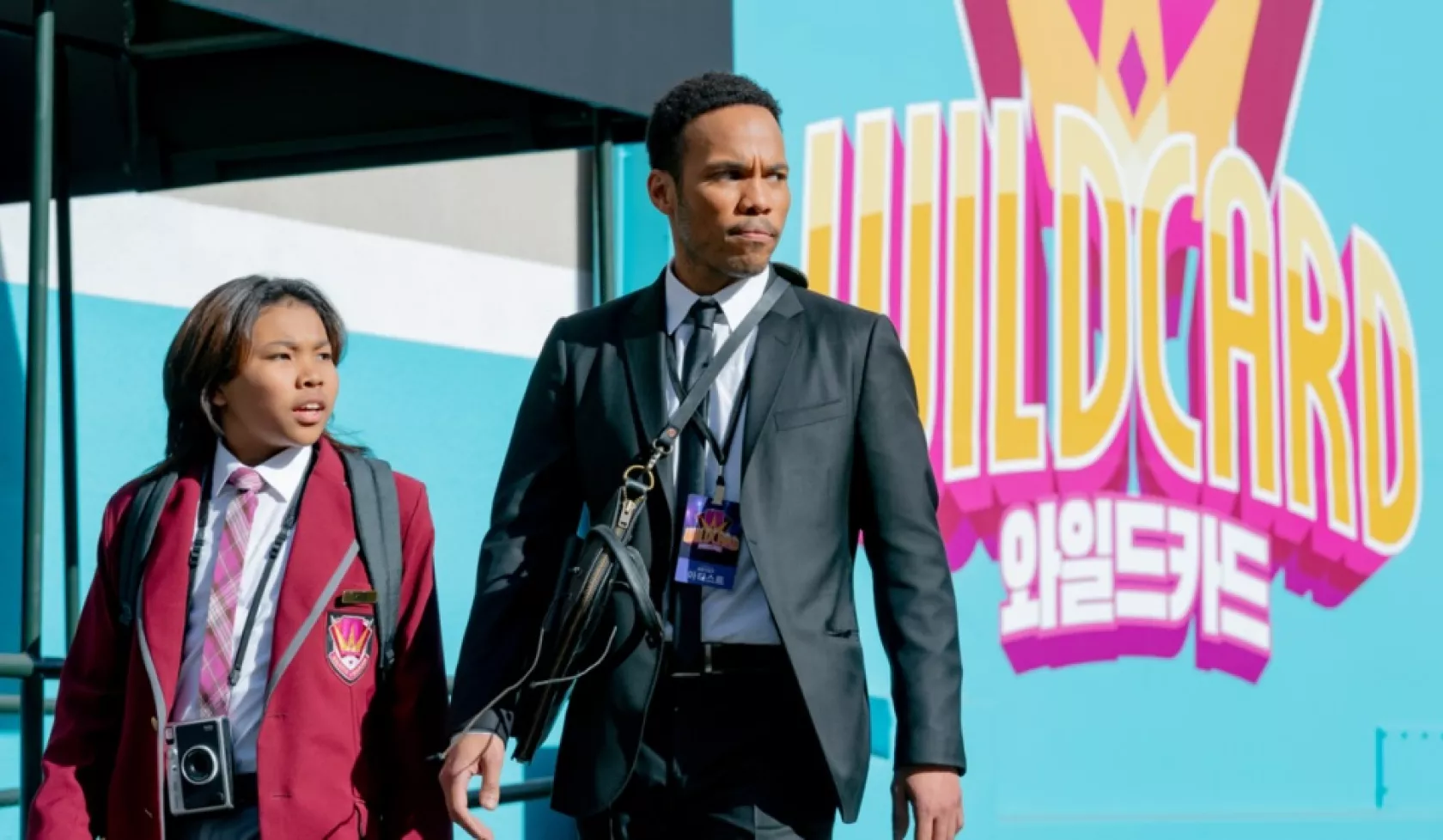
Anderson .Paak Brings Humor, Heart, and K-Pop to the Big Screen
Grammy Award–winning artist, producer, and now filmmaker Anderson .Paak is bringing his signature creativity and storytelling to the big screen with his latest project, "K-Pops!. The comedy-drama follows a washed-up musician who travels to South Korea for a K-pop competition, only to discover that the lead contestant is his estranged son. What unfolds is a heartfelt journey that blends humor with themes of fatherhood, fame, and cultural identity. Ahead of the film's release, we caught up with Anderson to talk about the inspiration behind the story, what it was like directing, writing, and starring in the film, and what he hopes audiences take away from this deeply personal project.
NAACP: You wear so many hats in "K-Pops!" — director, writer, and lead actor. What inspired you to tell this particular story, and why did it feel like the right moment in your career to step behind the camera?
Anderson .Paak: Because of the quarantine, I was able to spend a lot more time with my family since there weren't any tours going on. My son was obsessed with two things at the time — becoming a YouTuber and K-pop. I started writing skits for us to record for his channel and quickly saw how much of a natural he was at acting and dancing, which inspired me to create the script for K-Pops! It felt like the right time to step behind the camera because I was getting bored and looking for a new medium to tell stories, something that would challenge me.
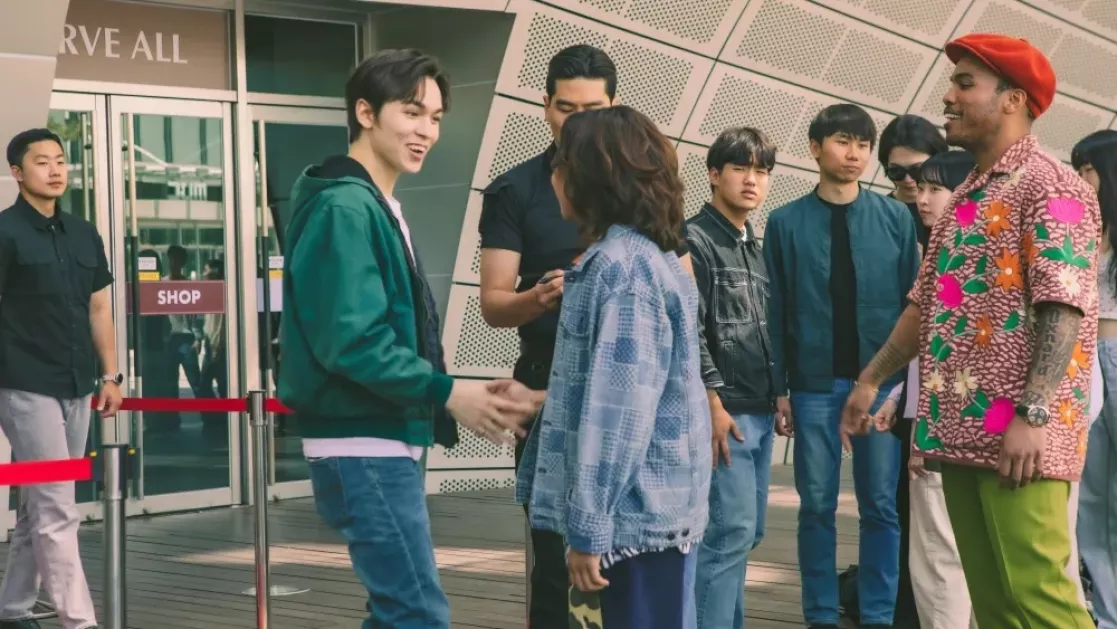
NAACP: The film explores a father reconnecting with his estranged son. How did your own experiences with family or fatherhood shape the emotional core of the story?
AP: I felt like I was able to reconnect with my family during the quarantine because I wasn't touring. While I was stuck in the house creating these skits with my son, I started to come up with the idea for the movie — what if I didn't know I had a son who could be the next K-pop star? What would it be like to teach him about his Black culture while he teaches me about my Korean culture? And the idea just took off from there.
NAACP: "K-Pops!" dives into questions of cultural identity, especially through the lens of Korean and Black heritage. What did you want audiences — especially young people navigating multiple identities — to take away from that theme?
AP: I want young people to leave the film proud of their culture and inspired to learn more about it through traveling and music. When we learn about different cultures, we often find that we have a lot of things that mirror each other in different cultures that bring us together, not tear us apart.
NAACP: Your character starts out as a washed-up musician chasing relevance. What were you hoping to say about fame, ego, and reinvention in the music industry through that arc?
AP: I think those things are pretty shallow and you should strive for things that are more timeless. I think BJ realizes that a lot of the things he thought he wanted were self-indulgent. But, sometimes we have to go through some things to realize that what really matters is right in front of you all along — things that don't revolve around money or fame or any of that.
NAACP: The film blends comedy with really heartfelt moments. How did you strike that balance between humor and deeper emotional storytelling?
AP: It was tough for me to do the more emotional/deep parts of the movie. I tend to shy away from those kinds of things and keep everything on the lighter side because I never want to be responsible for bringing the vibe down. My co-writer, Khaila Amazan helped me create the heartfelt moments in the film. I could've put more traumatic moments from my life in the movie, but I wanted to include the things that helped me cope with those moments instead — family, music, food, and laughter.
I want young people to leave the film proud of their culture and inspired to learn more about it through traveling and music. When we learn about different cultures, we often find that we have a lot of things that mirror each other in different cultures that bring us together, not tear us apart.
NAACP: K-pop is such a global phenomenon right now. What did immersing yourself in that world teach you about music, fandom, and cultural exchange?
AP: K-pop is huge and has its own ecosystem. I learned a lot about the structure of the music and how it's made, about the talent shows, how the groups are formed and how they debut them. The fans are usually obsessed with each member for a different reason. I learned that a lot of the earlier K-pop music pulls from 80s and 90s R&B and hip hop music. Now, we're seeing the new generation taking from that and modern pop influences to create something new and innovative. It's interesting to see where it goes, and I hope that people continue to learn about its history.
NAACP: You've already made a huge mark in music. After making "K-Pops!," how do you see filmmaking fitting into your creative future? Is this the beginning of a new chapter for you?
AP: Yeah, I think it is. I feel like if we don't tell our own stories then nobody else will. When I was growing up, I didn't see many Asian/Black stories in film so I hope that KPOPs! opens the door for more movies like this.